
These two tasks were recorded in October 2026 on service version 0.1.12. Site rules, product versions, and charges may change.
You sign in now.
A later task can reuse it.
In a recorded Feishu task, a person completed the first sign-in and the browser state was saved at the end of that run. A new run using the same saved state opened the signed-in message workspace without entering credentials again.
- Complete the first sign-in and save state.
- Load that state into a later run.
- Check the actual page to verify the sign-in still works.
The two runs cost 5.84 points at the time. Check current pricing and the final charge for your own task. The target site decides how long a sign-in remains valid. The sign-in screen is withheld for privacy.
Read the handoff guide →Read the source.
Bring the file home.
An Agent opened the official Python 3.13 release notes, prepared a Markdown summary, and triggered a download in the cloud browser. It retrieved 1,875 bytes and verified both file length and SHA-256.
- Use a CDP client to read the public page.
- Prepare content and trigger a cloud download.
- Retrieve and verify the artifact before ending the run.
The Agent wrote the summary; Baizhi Cloud Browser supplied page access and file delivery. That run cost 1.13 points at the time; check current pricing and your final charge.
Read the file and lifecycle guide →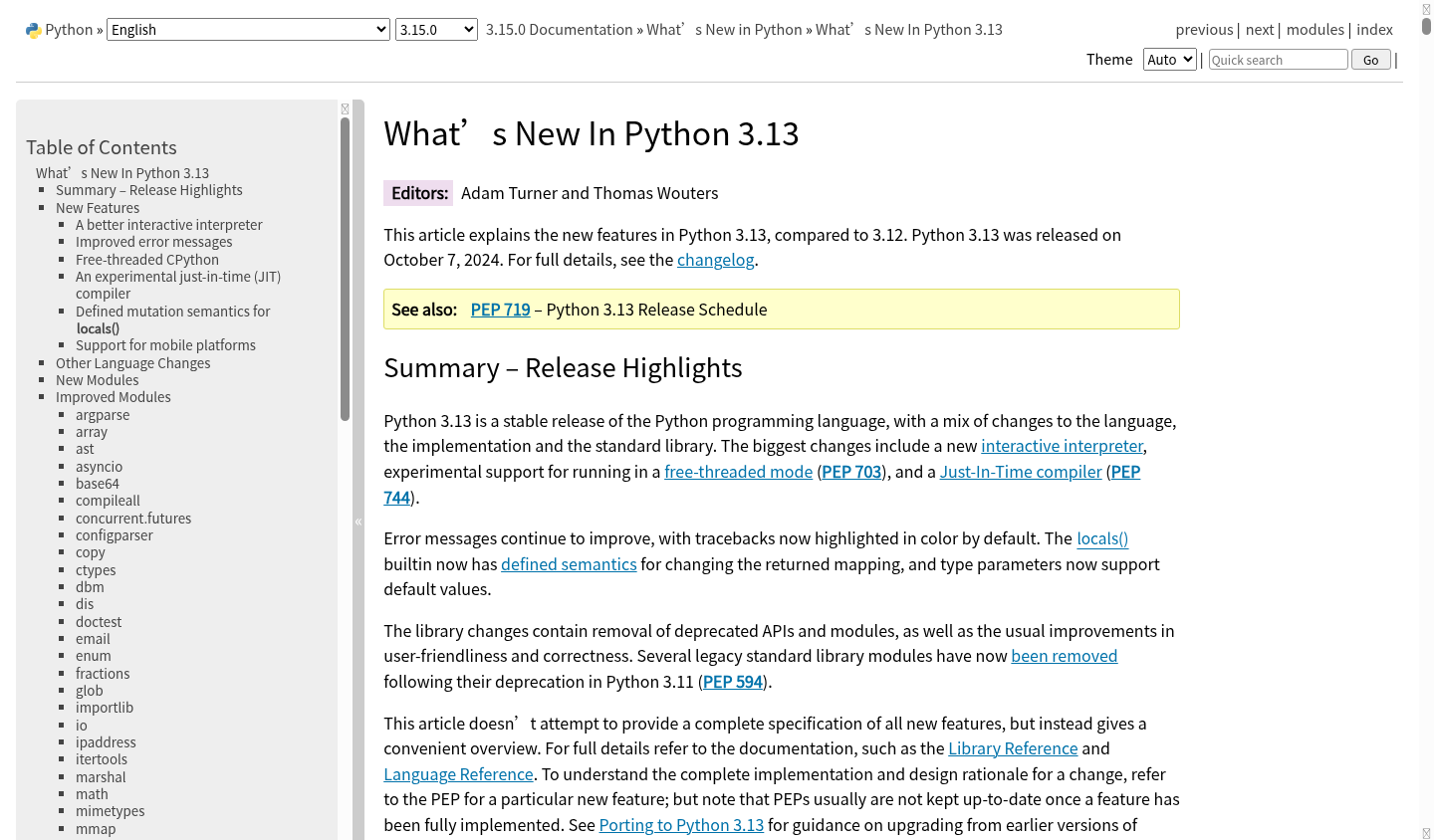
These tasks were recorded in October 2026, with only public visual content shown. The live setup reference is authoritative for API behavior.